Flood Insurance

Most home insurance doesn't cover flooding

It surprises a lot of Michigan homeowners: a standard homeowners policy won't pay for flood damage. A separate flood policy will. With Great Lakes shorelines, rapid spring thaws, and aging storm drains, more Michigan properties are at risk than people realize — and just one inch of water can cause tens of thousands in damage.

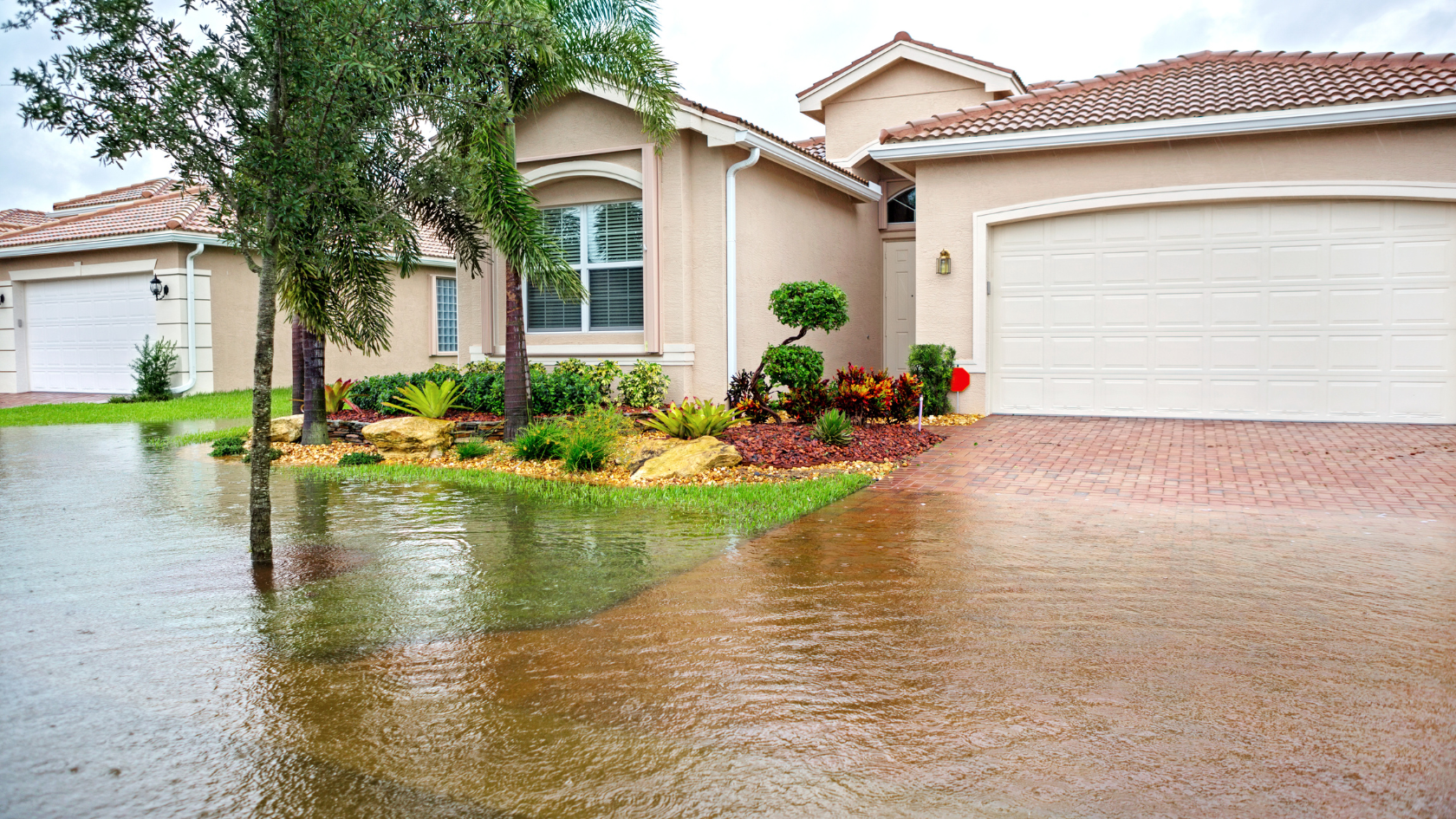
Floodwater surrounding a Michigan home

“My area doesn't flood — do I really need it?”

It's the most common question we hear, and the honest answer is: probably more than you'd think. Around a quarter of all flood claims come from low-to-moderate-risk areas — places that aren't on a high-hazard map at all. Flooding doesn't check your flood zone before it starts, and the costs add up fast.

A local agent can help you understand your property's real risk and whether a separate flood policy makes sense for you.

When flood coverage comes into play

  • Backed-up municipal storm drains
  • Rapid spring thaws across Michigan
  • Heavy rain and seasonal storms
  • Dam or levee failures
  • Rising water near lakes, rivers, and shoreline

Understanding the cost of flooding

The numbers are why flood coverage is worth a conversation.

$25,000+

Just one inch of water in an average-sized home can cause more than $25,000 in damage.

#1 disaster

Flooding is the most common and costly natural disaster in the United States.

~25% of claims

About a quarter of flood claims come from low-to-moderate-risk areas.

~$27,000

The average flood claim in those lower-risk zones runs around $27,000.

Under 1%

Fewer than 1% of homeowners in low-hazard zones buy flood coverage — despite roughly 20% of losses occurring there.

Separate policy

Flood coverage is its own policy — it is not part of a standard homeowners policy.

Plan ahead — and know your risk

Counting on federal disaster aid? It usually arrives as a low-interest loan that has to be repaid, with interest. Flood insurance is different: it reimburses you for covered flood damage, and it’s money you don’t pay back — the difference between borrowing to rebuild and being made whole.

Know your flood risk

  • Find your community’s flood map and risk rating
  • Understand what flood insurance covers — your building and its contents
  • Check whether you’re required to carry flood insurance
  • Take steps to reduce future flood damage

Start at FloodSmart.gov (FEMA/NFIP) to look up your flood map and risk profile.

What to do after a flood

If the worst happens, a few early steps make recovery smoother: make sure your family is safe before re-entering, document everything with photos and video before you clean up, avoid standing water with hidden electrical hazards, and call your agent to start the claim as soon as you can. A local agent walks you through it — you're not navigating it alone.

First steps

  • 1. Confirm everyone is safe before returning home
  • 2. Photograph and video all damage before cleanup
  • 3. Avoid standing water and possible electrical hazards
  • Start drying out to limit mold once it’s safe
  • Call your agent to begin the claim

Coverage is subject to underwriting and is not bound or altered until confirmed by an authorized representative. This page is a general overview, not a contract or a quote — contact a local Top O' Michigan agent for the coverage and limits that apply to your property.

FAQ

Flood insurance, answered

Does homeowners insurance cover flooding?

No. Standard homeowners policies exclude flood damage. Flood is a separate policy, available through the National Flood Insurance Program (NFIP) or a private flood carrier. Learn more at FloodSmart.gov (FEMA/NFIP).

Do I need flood insurance if I’m not in a flood zone?

It’s worth considering. A large share of flood claims come from outside high-risk zones — backed-up storm drains, rapid spring thaw, and heavy rain. With Michigan’s lakes, rivers, and shoreline, low-risk doesn’t mean no-risk. See FloodSmart.gov for risk details.

Is there a waiting period for flood insurance?

Usually. NFIP policies typically have a 30-day waiting period before coverage takes effect, so it’s best not to wait until a storm is in the forecast. Your agent can confirm the timing for your situation.

How much does flood insurance cost in Michigan?

It varies by location, elevation, and how much coverage you choose, and homes outside high-risk zones often cost less. Your local agent can compare NFIP and private flood options. Coverage and pricing are subject to underwriting.

What should I do after a flood?

Confirm everyone is safe before returning home, photograph and video all damage before cleanup, avoid standing water and possible electrical hazards, start drying out to limit mold once it’s safe, and call your agent to begin the claim.

Know your flood risk before the water rises

Let's review whether a flood policy makes sense for your Michigan home. Talk with a local agent today.